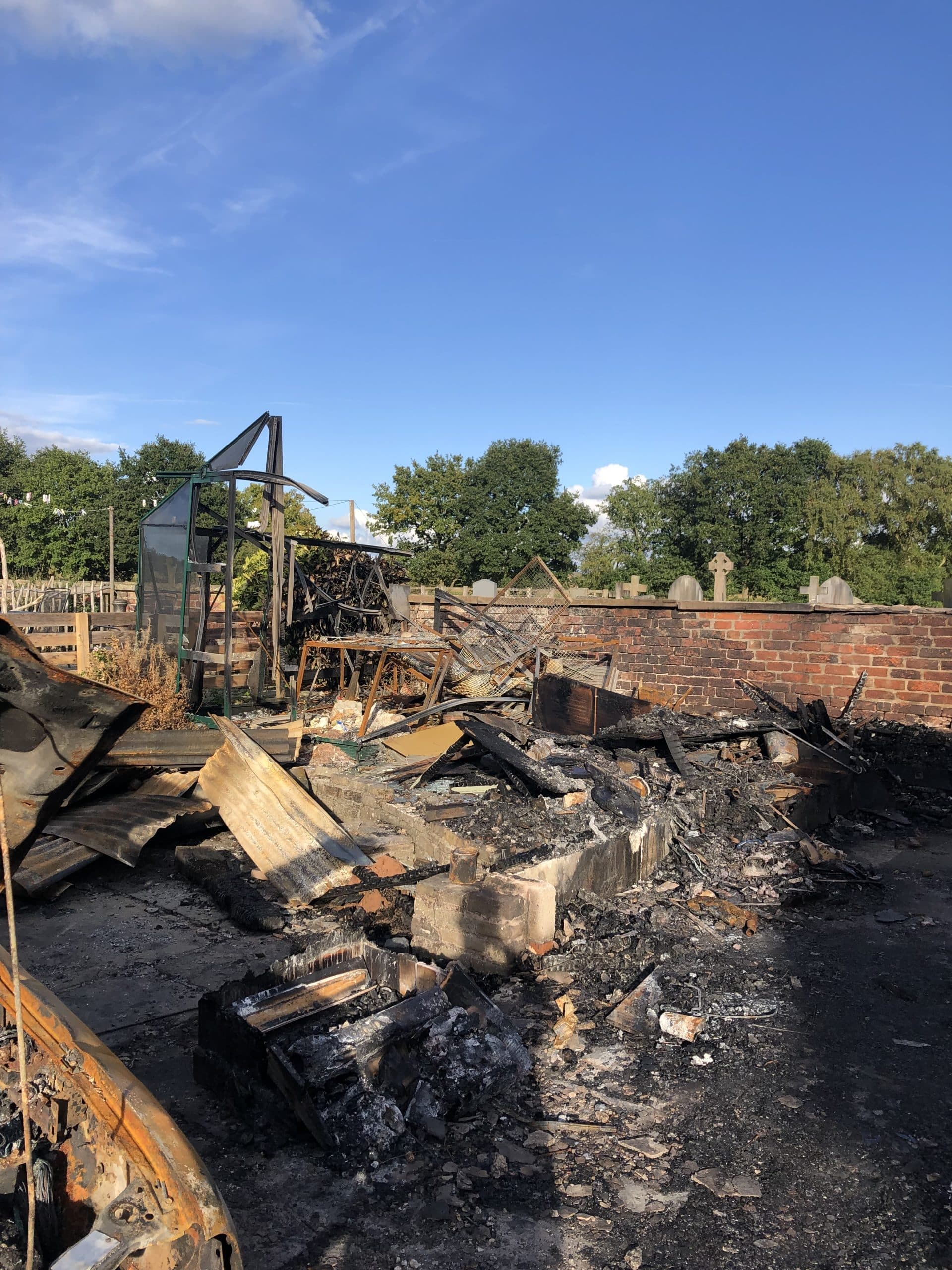
The need for a pollution prevention audit can be driven by a number of triggers; an acquisition or sale of a site, insurance or lender led assessments, internal or external certification or after a loss or release has occurred from a site.
Each site’s need and each reason for an audit differ, and whilst the generic guidance and standards we follow for such work is common to all studies, here at Peak Associates we will look at and listen to your requirements before we scope and undertake any audit, HAZOP or other risk assessment.
We can deliver a range of pollution prevention audits of infrastructure and procedures to meet your needs, that are tailored to – the site’s location, what substances you handle and the driver for the study.
These often include an assessment and ranking of the pollution hazards posed by the substances on site, identification of preferential and potential pathways off site such as drainage systems and vulnerable infrastructure and containment systems, and sampling to see if even trace levels of potential contamination can be detected along pathways and receptors identified. We can then advise on improvements to either infrastructure to reduce pollution risks to controlled water bodies, and appropriate use of containment to prevent material loss.
We can also undertake Hazard and Risk Assessment analysis on procedures and operations on site such as HAZOP, Use of Loss Prevention Curves for materials stored and Fault Tree Analysis. Peak Associates has had experience in preventing pollution through work on various sites and pollutants. Each site will have different challenges and Peak Associates’ skilled consultants can deliver a bespoke programme of sampling, drain survey and analysis, pollutant treatment and ongoing auditing.
Benefits and summary of services provided:
- Analysis of any desk top data regarding site setting and historic land use before we start any work on site.
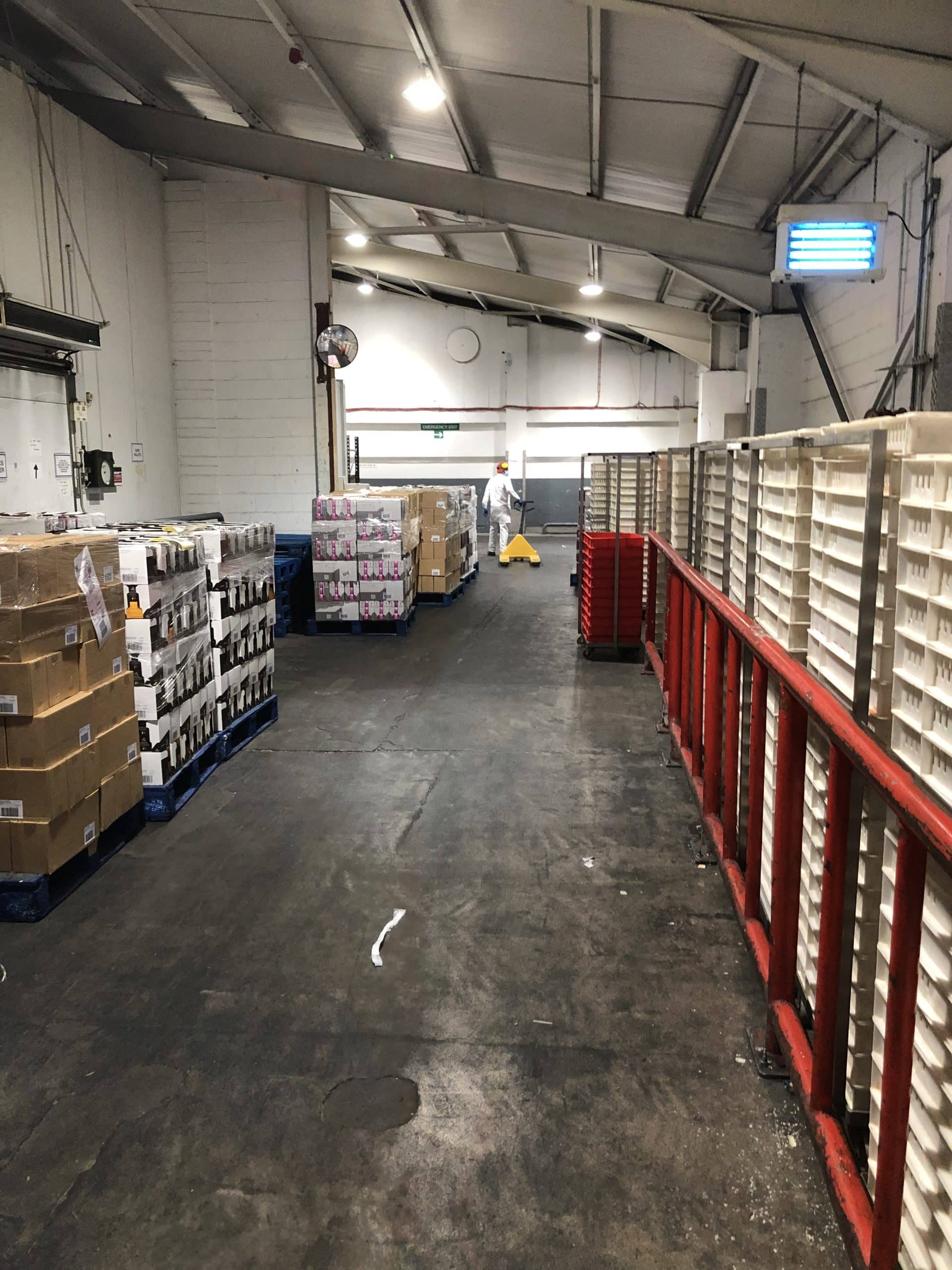
- Walkover containment audits using CIRIA as well as historic EA and current SEPA guidance which remains useful in all studies.
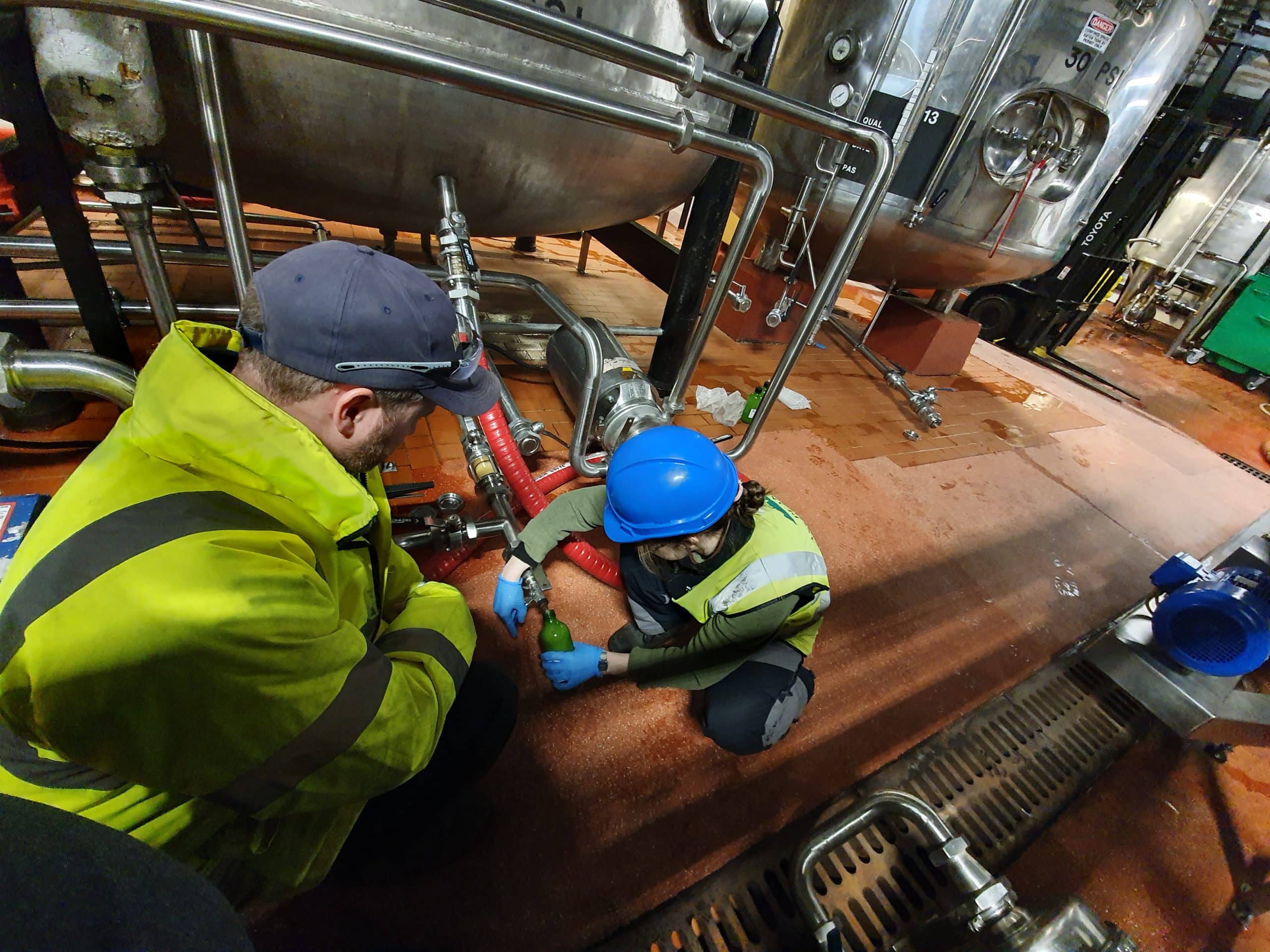
- Water sampling to BS5667 for organic and inorganic pollutants
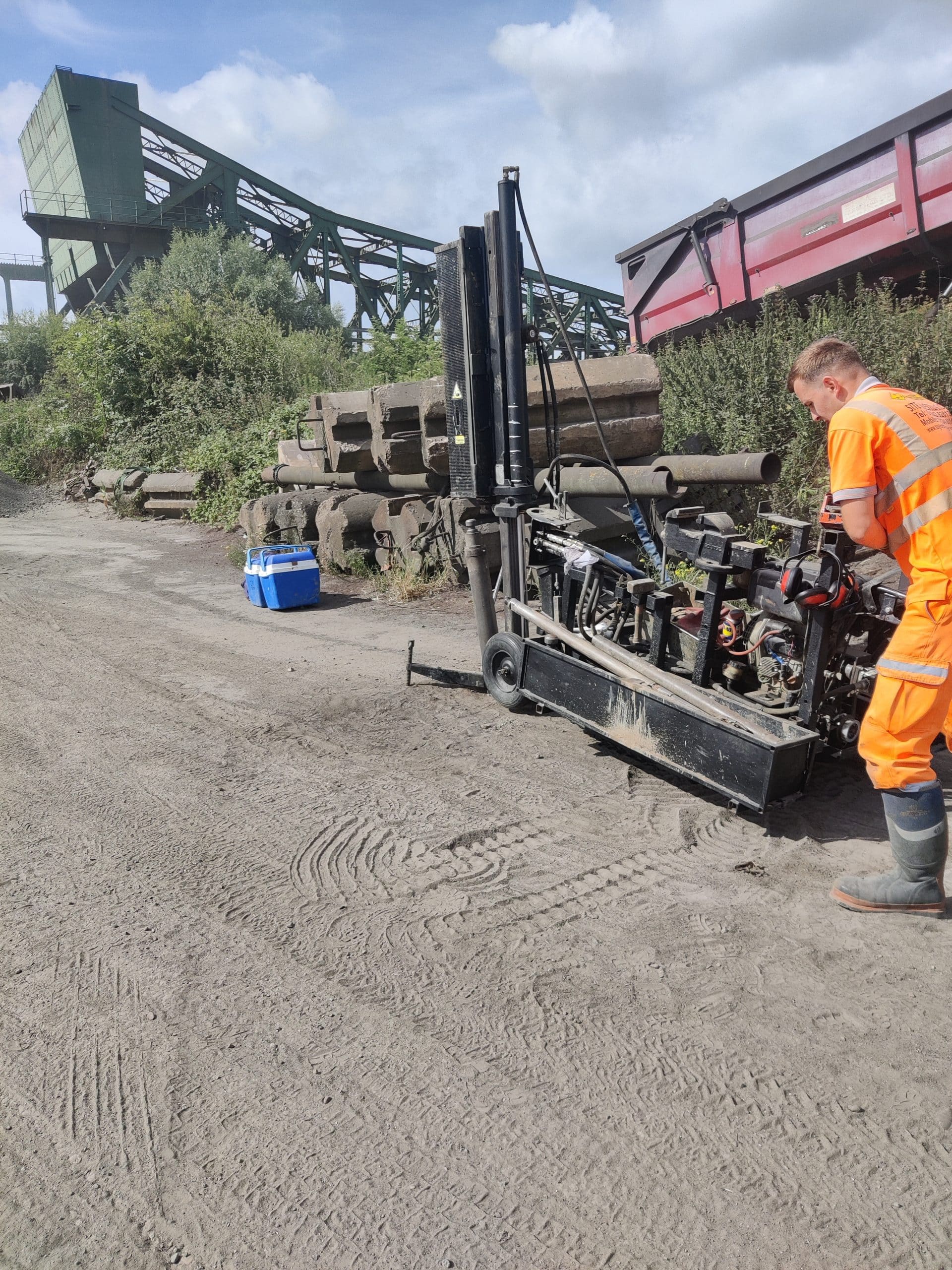
- Soil and groundwater sampling for organic and inorganic pollutants
- Review of operational procedures using Hazard and Risk Assessment techniques developed for the UK Bulk Storage and Petrochemical Sectors